When you fly high above the clouds, the cabin stays warm, pressurized, and free of ice. One of the most important systems that makes this possible is called bleed air. Even though passengers never see it, bleed air plays a major role in keeping every flight safe and comfortable.
Where Bleed Air Comes From
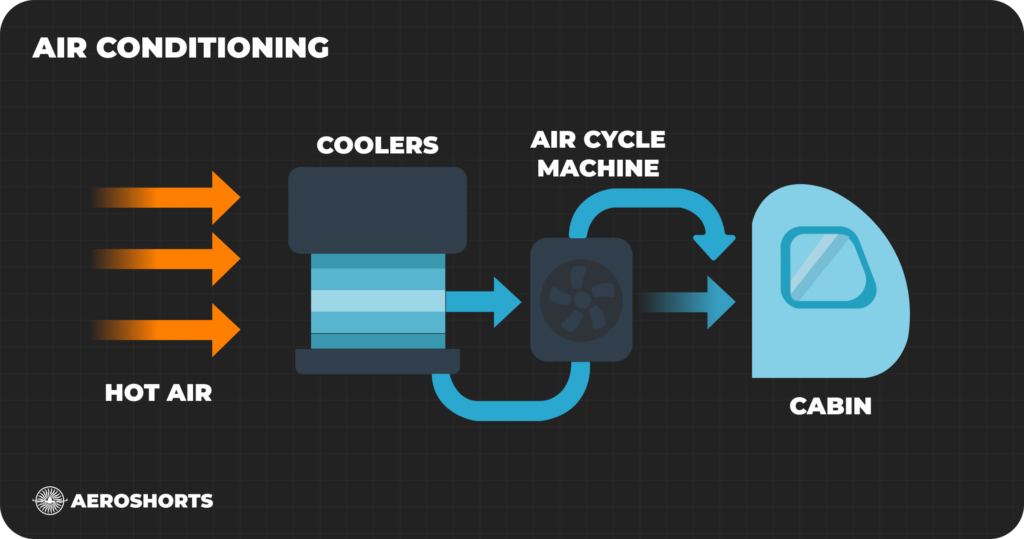
Inside a jet engine, the compressor squeezes air to extremely high pressure. Before this air enters the combustion chamber, a small portion is taken out of the engine. This compressed and very hot air is called bleed air. It is then routed through the aircraft to power different systems.

How Bleed Air Conditions the Cabin
The air taken from the engine is far too hot to use directly. It first passes through coolers and an air cycle machine. These systems cool, regulate and mix the air before it enters the cabin. Thanks to this process, passengers enjoy stable pressure, fresh air and a comfortable temperature throughout the flight.
Bleed Air and Aircraft Anti Ice
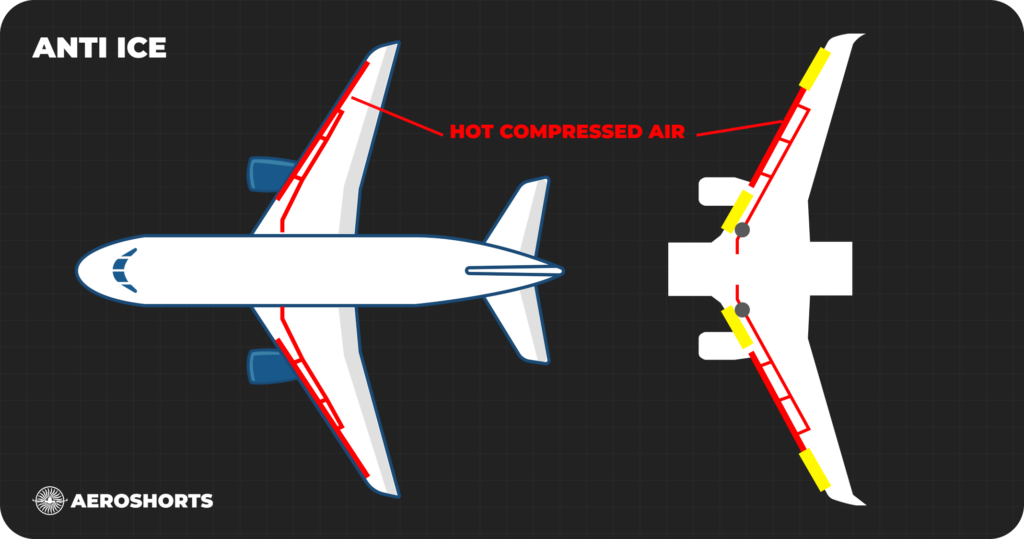
Bleed air also protects the aircraft from dangerous ice buildup. Hot compressed air flows into the leading edges of the wings and around the engine inlets. This prevents ice from forming and keeps the aerodynamic shape of the aircraft, which is essential for safety.
Bleed Air and Engine Start
Many aircraft use bleed air for starting the engines. During start up, bleed air spins a small turbine called the air starter. This gets the engine rotating until it can run on its own. The air can come from the APU or from an external air source on the ground.
Small Traces of Oil
In rare cases, bleed air can carry tiny traces of engine oil. This is known as a fume event and can cause unusual smells in the cabin. Aircraft are equipped with filters and procedures to handle these situations, and they are considered uncommon.
The Shift to No Bleed Systems
Some modern aircraft, such as the Boeing 787 Dreamliner, use a no bleed system. Instead of taking air from the engines, they use electrical systems for pressurization, air conditioning and anti ice. This makes the engines more efficient because no compressed air is removed from them.
Why Bleed Air Is Still Important
Even with new electrical systems emerging, most commercial aircraft still rely on bleed air. It remains a simple, reliable and effective way to power essential systems. Whether it is cabin comfort, anti ice protection or engine starting, bleed air continues to be a core part of modern aviation.